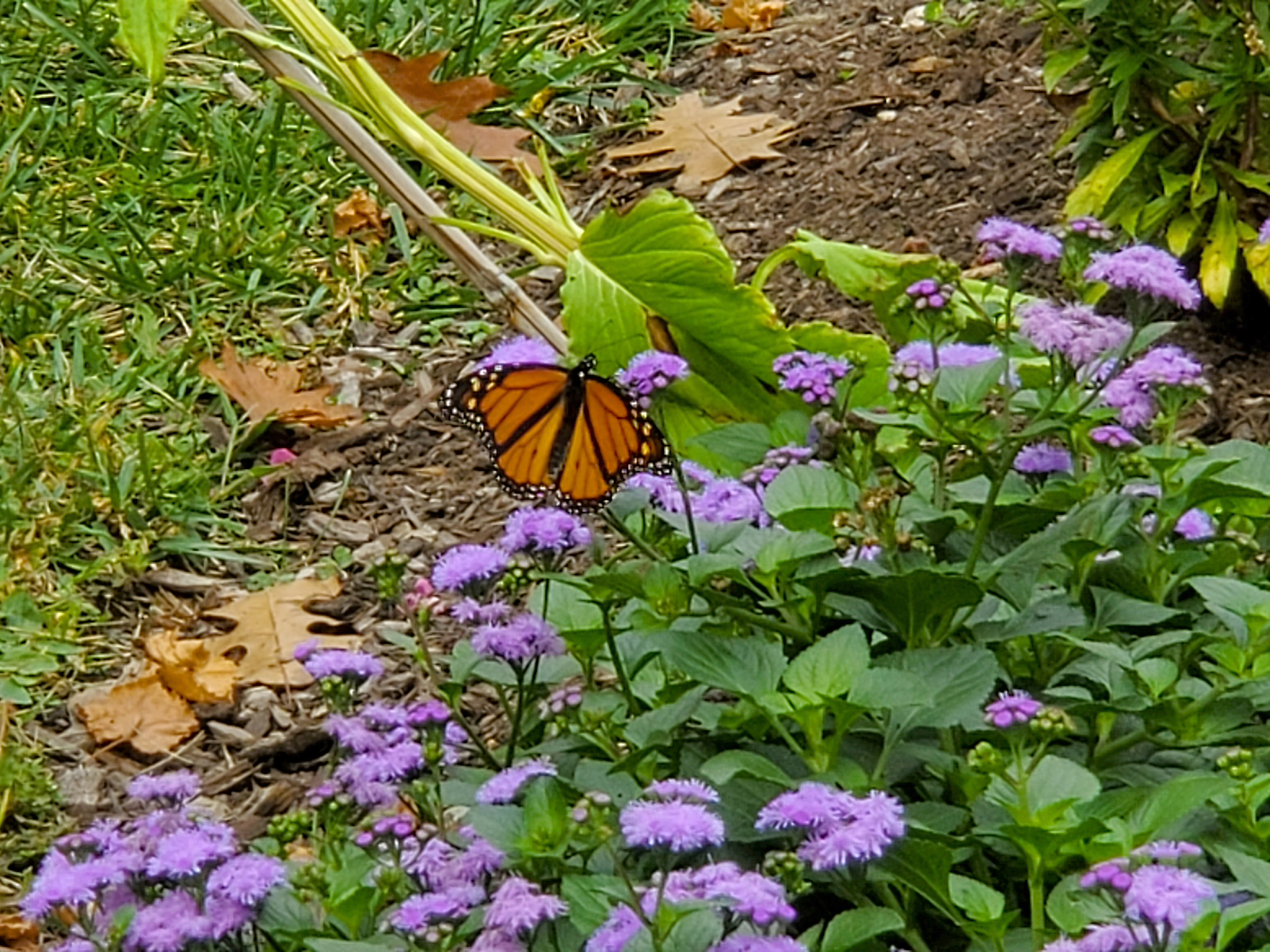
As we inch closer to another growing season, don’t forget about pollinators and the important role they play in your landscape. The University of Wisconsin-Madison says insects pollinate two-thirds of the world’s crops and account for at least one-third of the food we eat. Common insect pollinators include bees, wasps, butterflies, moths, beetles, flies, and ants, but many other animals help pollinate plants, including bats and hummingbirds. Several bird species are dependent on caterpillars and larvae of pollinators to feed their young. Birds and mammals depend on fruits and berries, which are also the products of pollination. Bees include honeybees and native bees. Most native bees live solitary lives, not in colonies. They utilize burrows below ground, above ground, or in hollow stems.
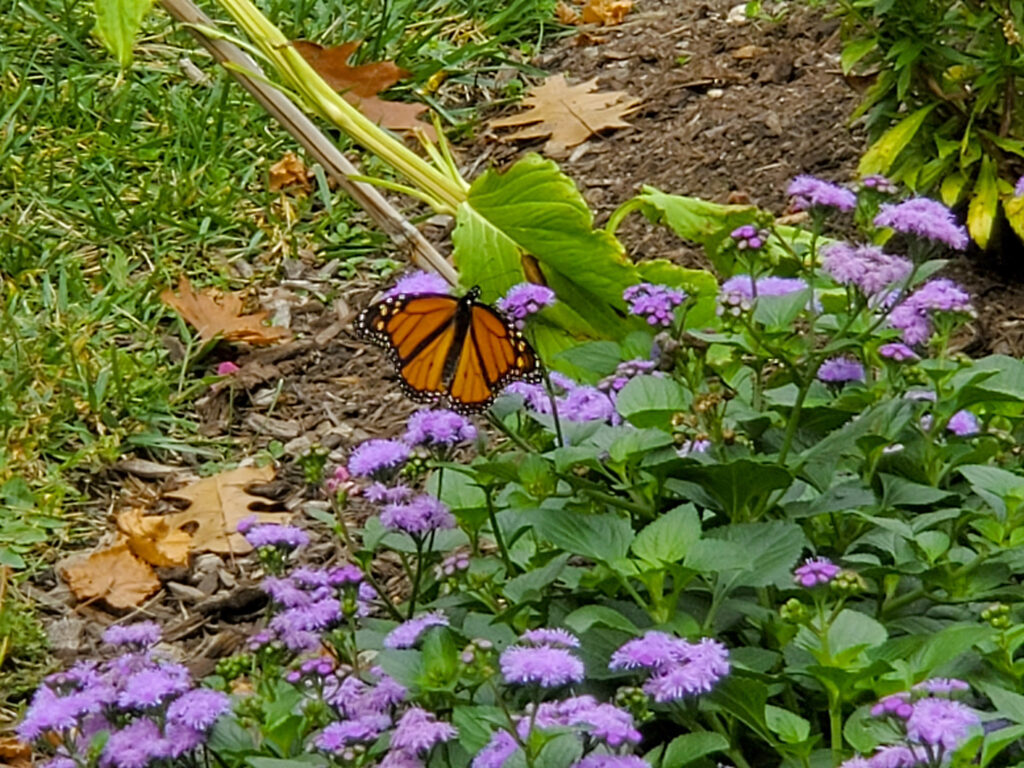
When purchasing plants or planning your garden landscape, there are many things to consider that will help pollinators, even the color of the flower blooms. University of Wisconsin-Madison says bees cannot see the color red, but are attracted to day-blooming white, yellow, blue, and purple flowers with mild to sweet or minty scents. Wasps head for dull-colored white or yellow flowers with a nectar source. Wasps are garden helpers as they can be predators and even parasites of trouble-making insects like the tomato hornworm. Butterflies like red, orange, yellow, pink, and purple day-blooming flowers that are rich in nectar. Moths are drawn to late-day or night-blooming flowers that are dull colored but very fragrant. Beetles like blooms with large bowl-shaped white or green flowers with exposed stamens and pistils. Not surprisingly, flies like dark brown or purple flowers, especially those with a putrid scent. They are not looking for nectar, but pollen. Ants help to pollinate low-growing, small, inconspicuous flowers that grow close to the stem and have a nectar source. Finally, hummingbirds are drawn to hot, bright colors like red, yellow, and pink. They look for large, funnel, cup-shaped, or tubular flowers.
The University of Wisconsin-Madison has a long list of ways to help support pollinators in your garden and yard. Diversity of plants is very important – think a mix of trees, shrubs, perennials, and annuals with various bloom times. Go for a mix of woody and herbaceous plants with different colored flowers, shapes, and sizes. Stay away from double blooms that have no pollen or nectar, or pollen and nectar that are hidden. When disease and insect problems occur, make it a priority to avoid pesticides. Integrated Pest Management uses chemicals as a last resort.
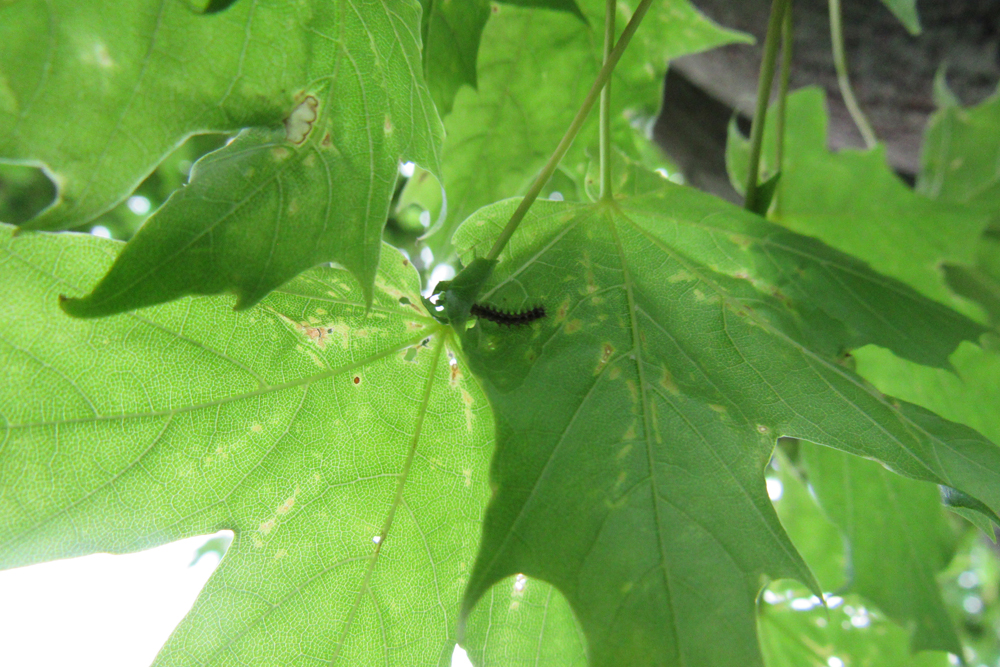
Remember to include host plants for caterpillars such as milkweed and white oak. This will not only increase the number of pollinators but also support native bird species. Create places where soil can be left bare and undisturbed to encourage ground nesters. Provide habitat for shelter with trees, shrubs, and ornamental grasses. Keep part of a dead tree trunk or branches to provide cavities. A source of clean water is also very helpful. A birdbath, fountain, pond, or decorative trays and dishes that can hold an inch of water provide a place for birds and other pollinators to drink.