If you plan to or are already utilizing natural solutions in your vegetable garden, you should know about companion planting, trap crops, and cover crops. Each one is an organic way to help boost yields and keep your garden healthy.
Sarah Zeiler of Michigan State University Extension recently wrote an article on how these crops benefit home gardeners.
It is important to understand the differences among the methods and how to use them effectively to achieve the best results. Zeiler notes that as gardeners, we need to think about creating a healthy environment where our plants can thrive. It is not just about putting seeds and transplants in the ground and watching them grow. Companion, trap, and cover crops can help the garden in significant ways by controlling pests, improving soil health, and increasing productivity.
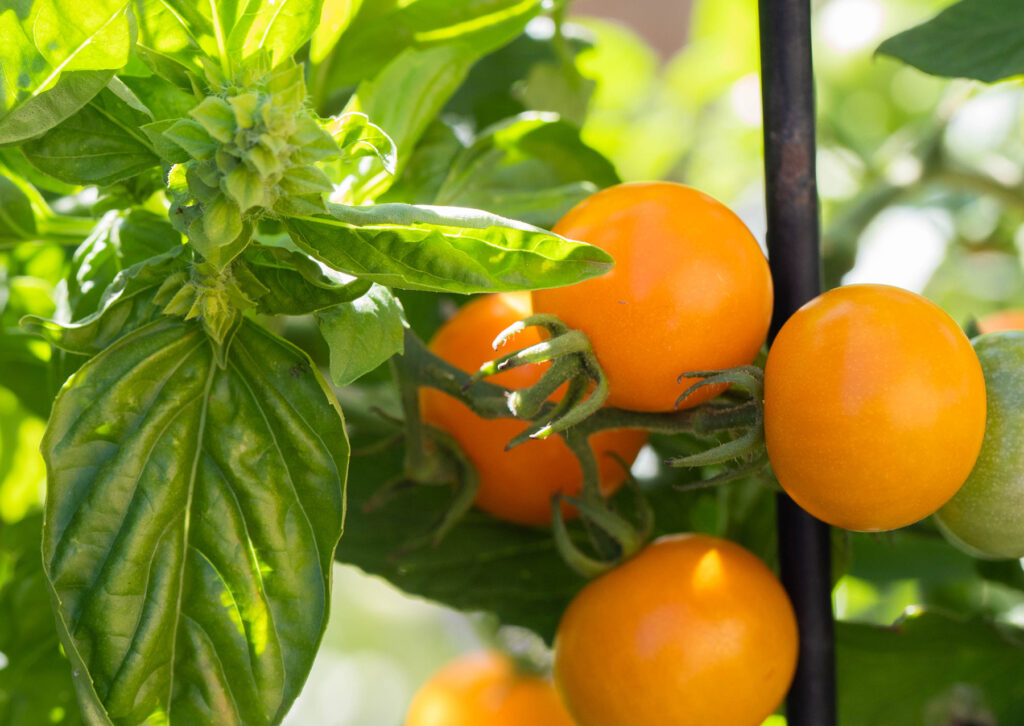
Companion crops are just that: they are planted close together and help each other. Zeiler says help is provided in multiple ways, including improving growth and protection against pests and disease. These plantings work by attracting beneficial insects – pollinators and bug-fighting insects like ladybugs. Some companions help improve soil nutrients – legumes, for example, fix nitrogen in the soil. Companions can even provide shade or support for neighboring plants. Examples include planting basil near tomatoes to help repel damaging insects and improve tomato flavor, and marigolds planted with vegetables to deter nematodes and aphids. The well-known Three Sisters combination of squash, beans, and corn utilized by Indigenous peoples is another example. Zeiler says companion planting can be especially helpful in small gardens with limited space. It creates a more balanced and diverse ecosystem and can help reduce the need for chemicals.
There are many great resources available with detailed information about companion planting, including books by Louise Riotte, Roses Love Garlic and Carrots Love Tomatoes, and a wonderful book by local author Sally Jean Cunningham, Great Garden Companions.
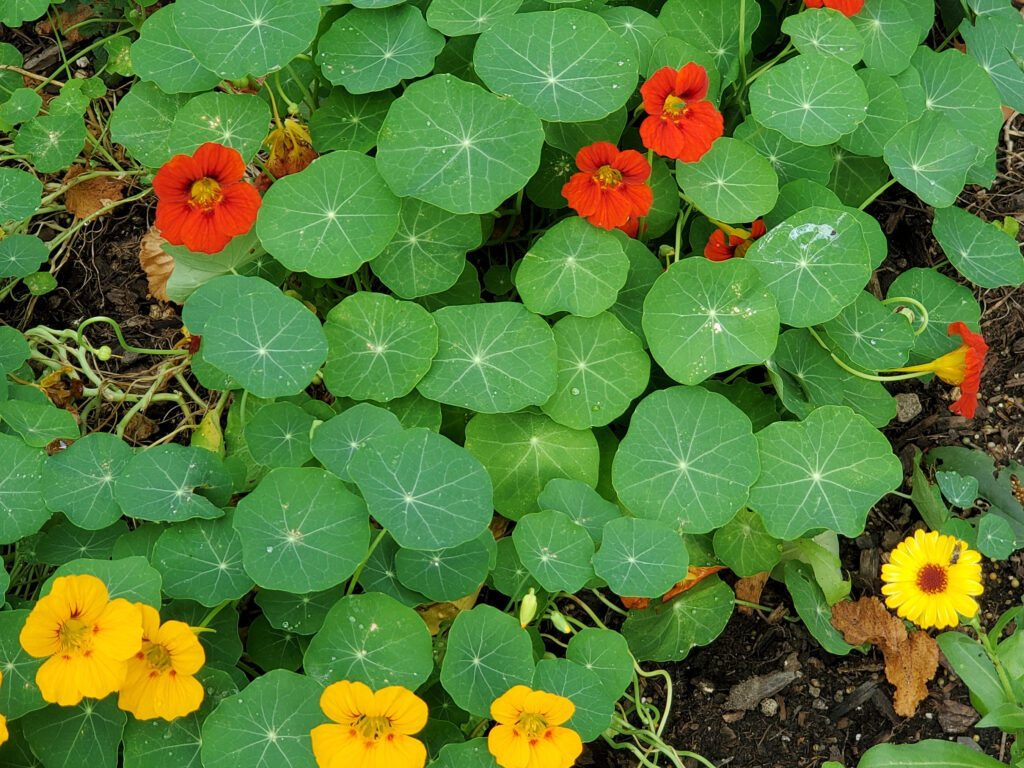
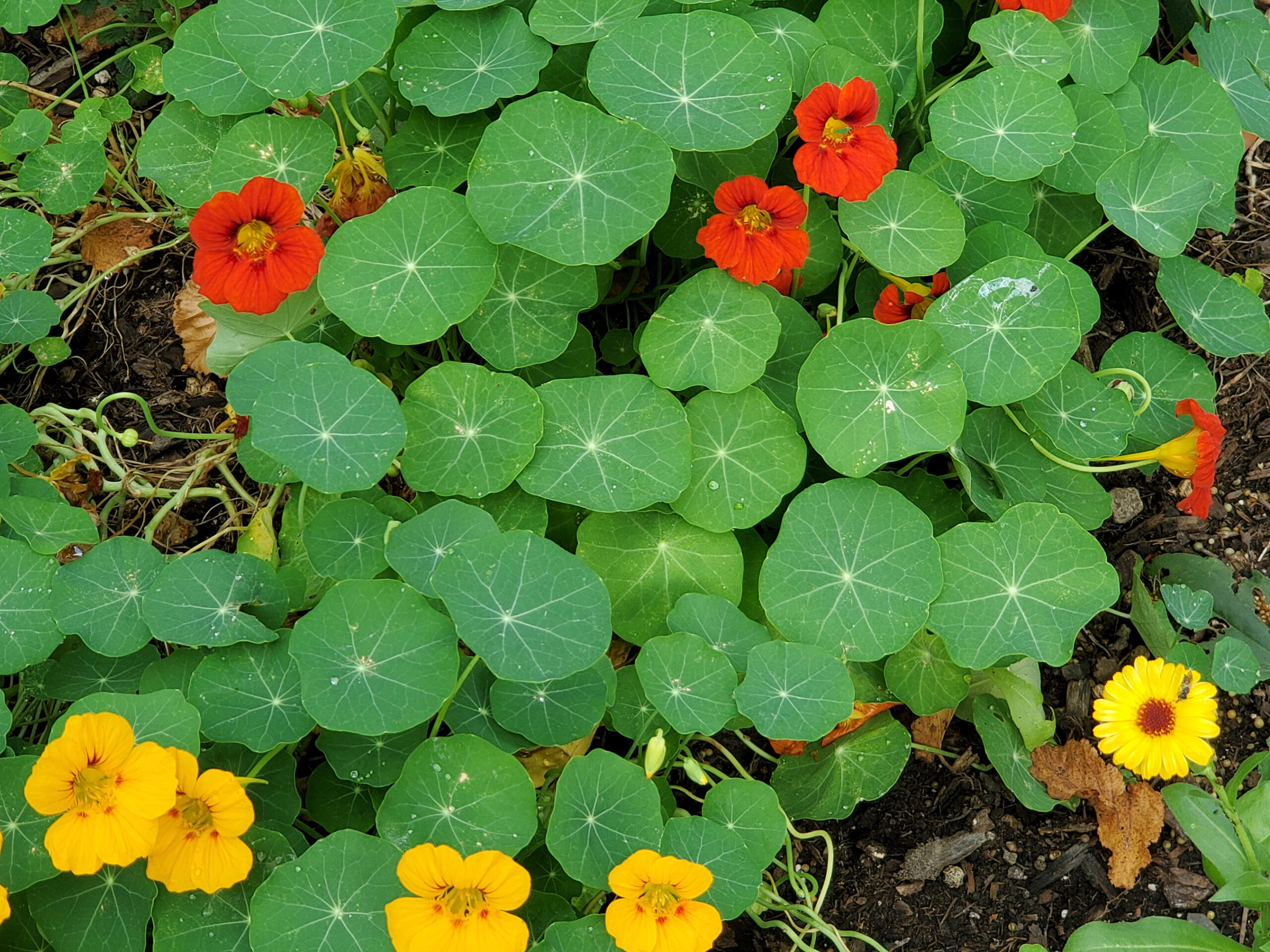
The next method is trap crops. Zeiler defines trap crops as those that are planted to attract pests away from your main crops. They act like decoys, distracting pests from the crops you are growing for harvest. In addition to keeping pests away from your plants, trap crops can also be a valuable way to monitor pest populations in your yard. One example of a trap crop is using mustard to deter flea beetles and cabbage worms away from cabbage. University of Florida Extension says that Blue Hubbard squash can trap squash bugs, cucumber beetles, and even squash vine borers, keeping them away from other cucurbit crops. University of Florida Extension says that trap crops should be planted in advance of the crops you plan to harvest. For pests with limited mobility, a perimeter of trap crops is most effective. For pests that can move freely between plants, planting the trap crop intermittently through the main patch will be most effective. Remove trap crops once they become infested.
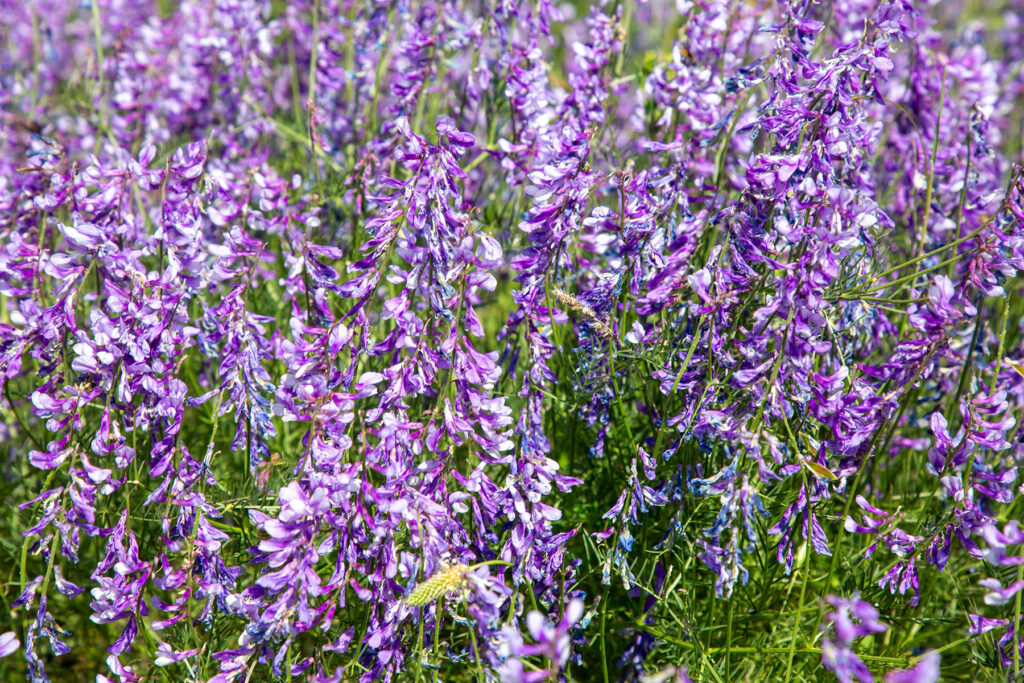
Finally, cover crops help to feed and improve the soil. Zeiler says cover crops are planted when the garden would otherwise be bare – typically in the fall or early spring. They help by preventing soil erosion, adding organic matter, improving soil structure and fertility, suppressing weeds, fixing nitrogen (clover and vetch), and supporting beneficial insects. The largest benefit, Zeiler explains, is below-ground in the root matter, but the tops can be harvested and used for compost. Biomass from legumes and grasses, in particular, can make a rich biomass when composted to improve soil tilth, water retention, and nutrient availability. Common cover crops include rye, oats, clover, and hairy vetch. Look for cover crops in seed catalogs.